ECHN STAFF EXCHANGE · JUNE 2026
Until you come here,
you will not understand it.
Those were the words of Miguel, the major and part of the creative force of the Genalguacil Pueblo Museum, when he spoke to us about this place before we arrived. He was right. And we left understanding exactly what he meant.
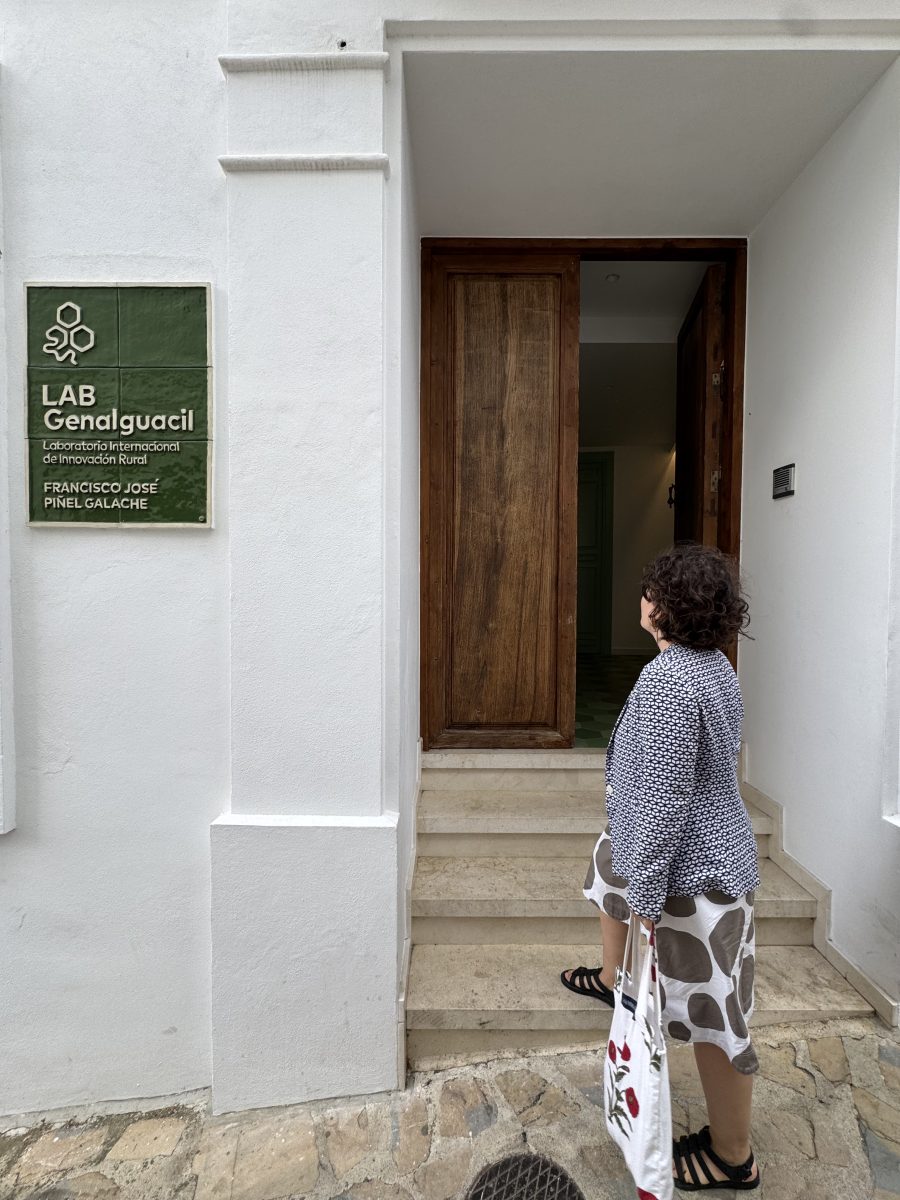
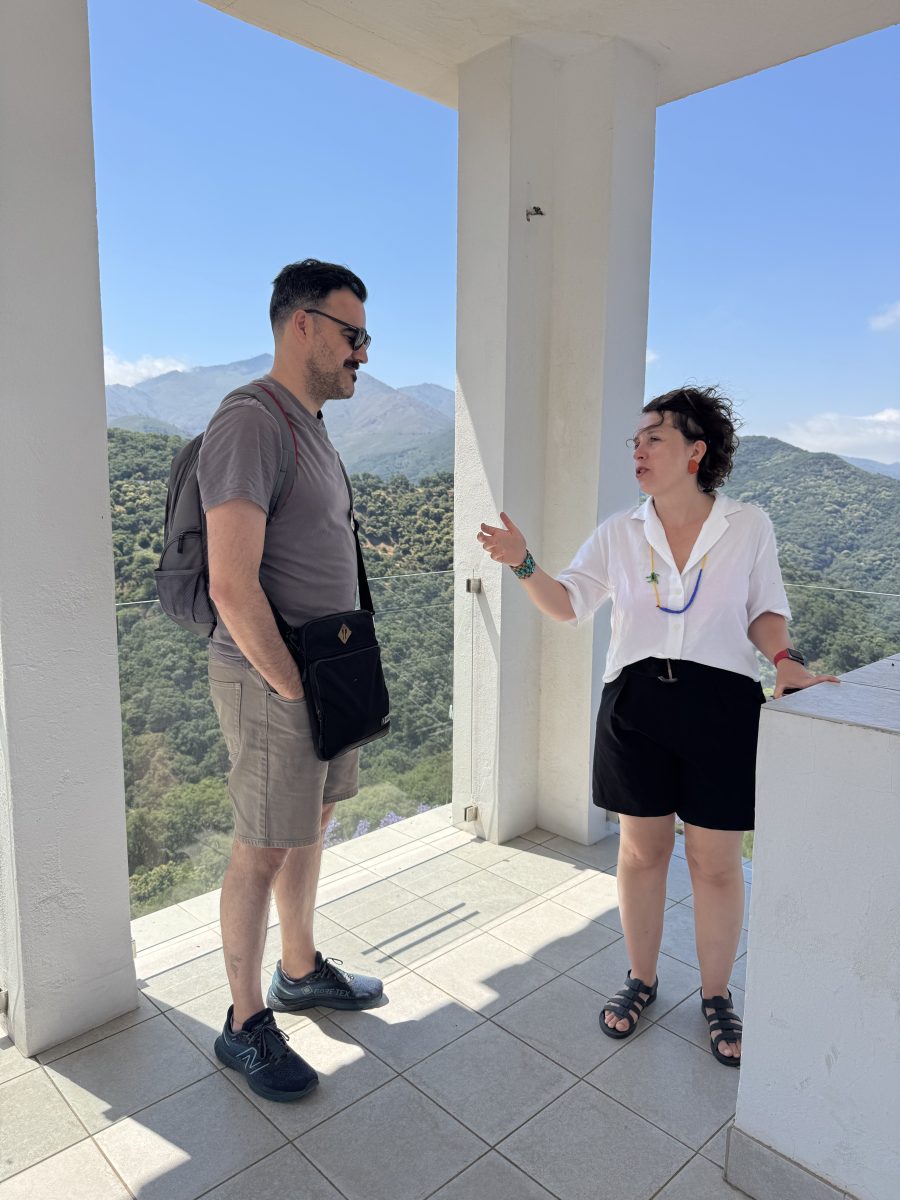
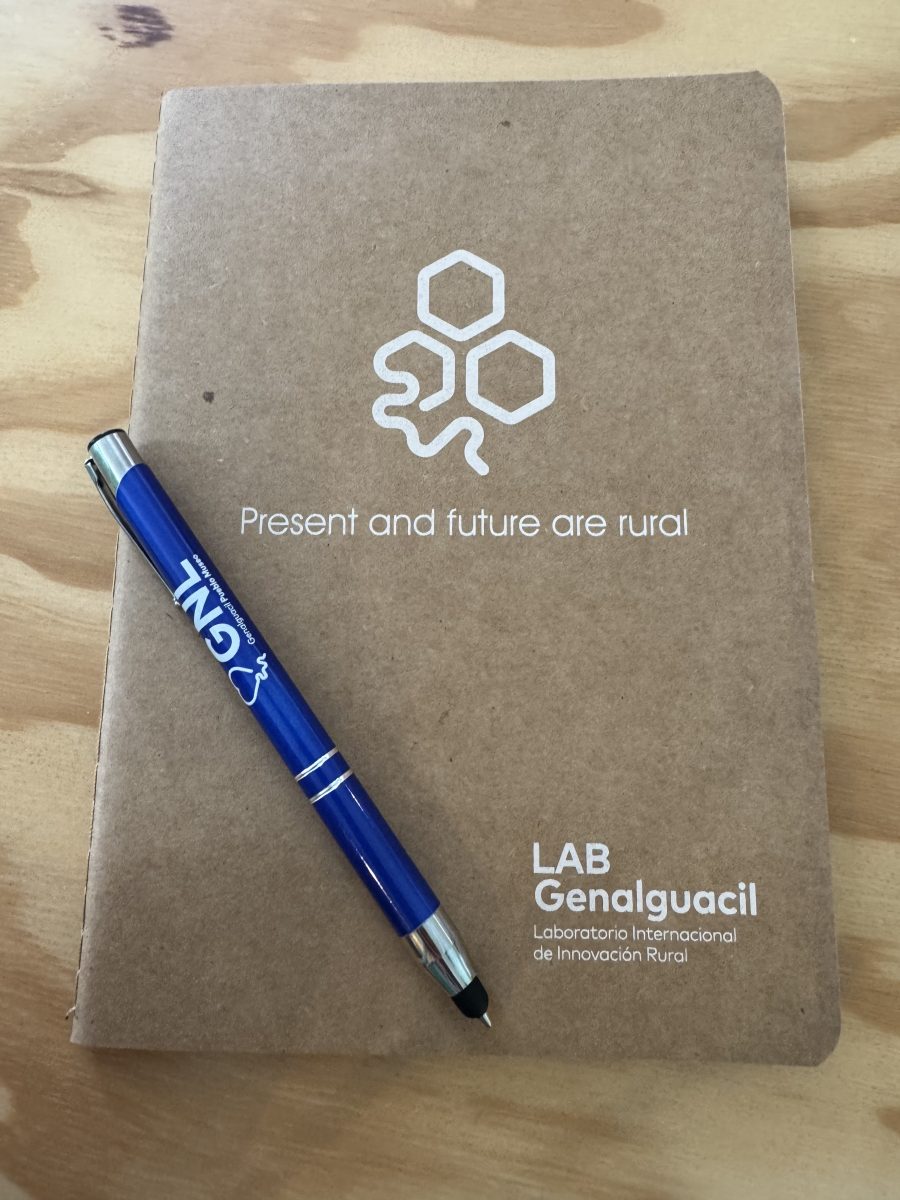
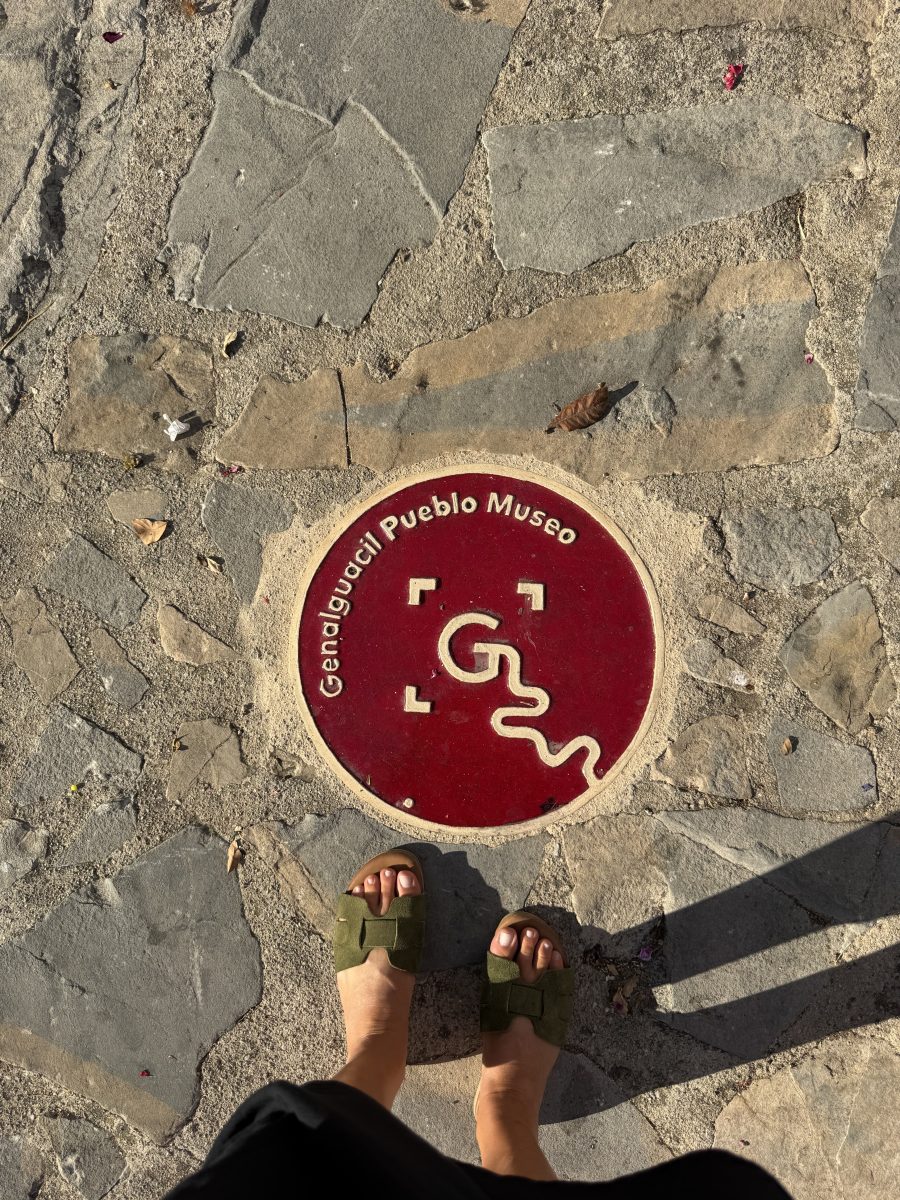
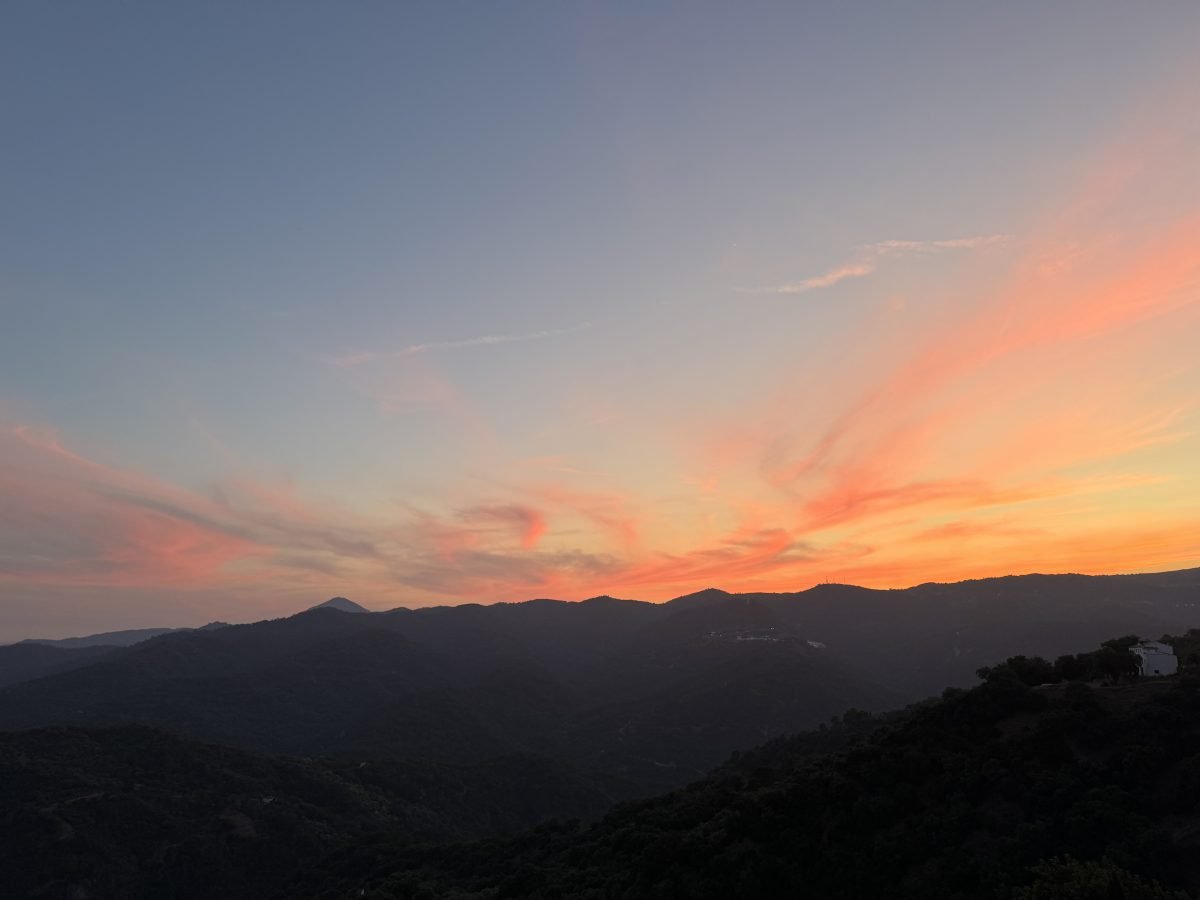
From 9 to 15 June 2026, two members of our team — Jessica Capra and Mariana Sesma — travelled to Genalguacil, a small mountain village nestled in the Genal Valley in Andalusia, as part of a staff exchange supported by the European Creative Hub Network (ECHN). What we found there was something genuinely rare: a place where care is not a word on a wall, but the living principle that shapes every project, every relationship, and every decision.
Care it is the living principle that shapes every project, every relationship, and every decision.
The Exchange at a Glance:
Who We Met
One of the gifts of this exchange was the breadth of people we were able to sit with, think with, and learn from. Over the course of the week we had the pleasure of meeting:
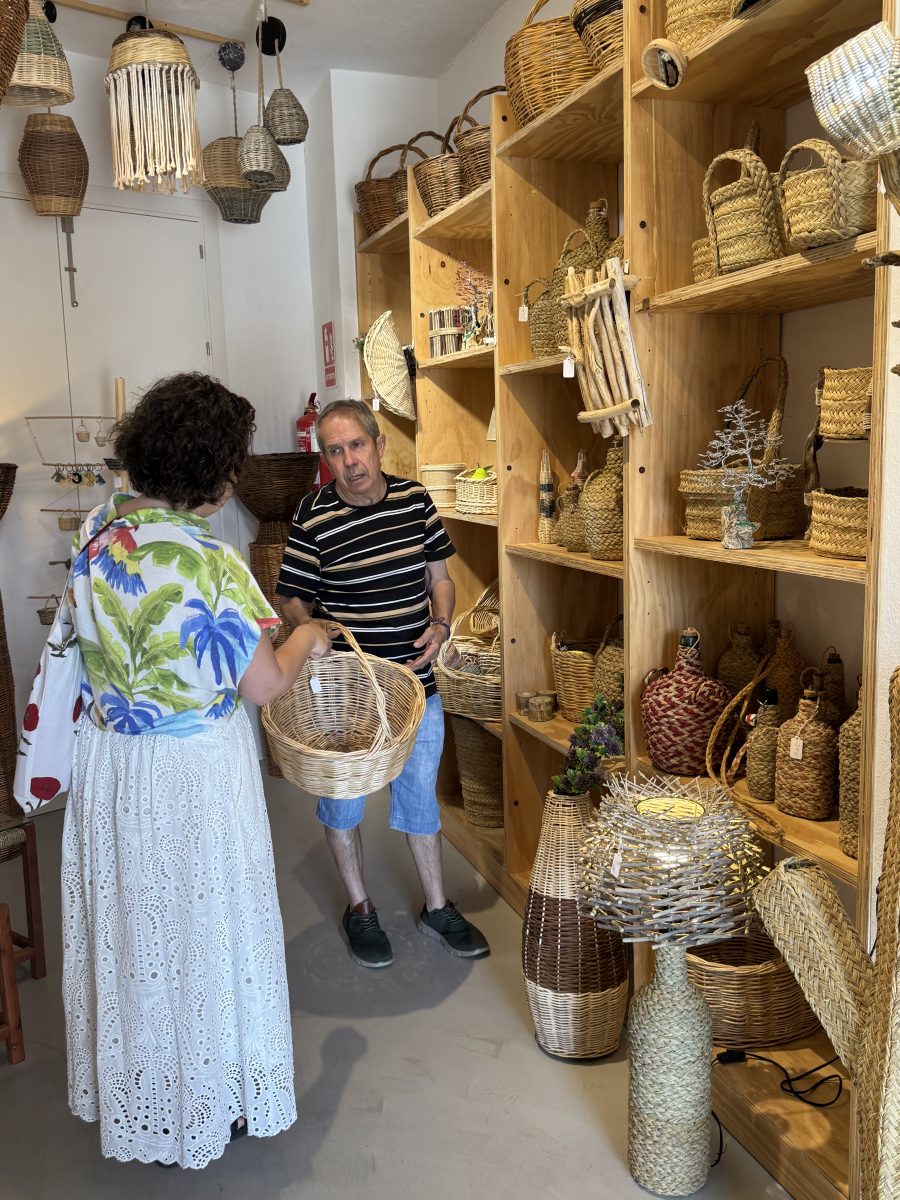
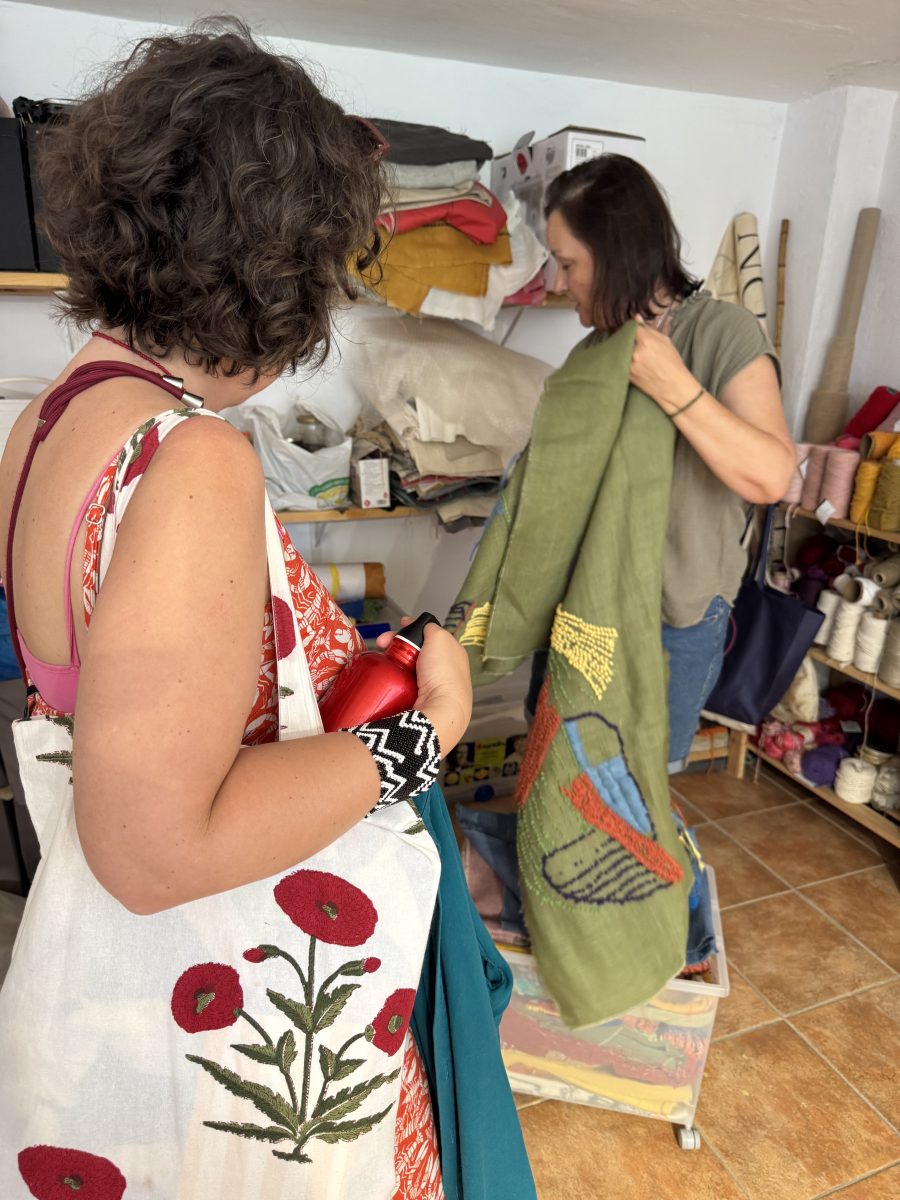
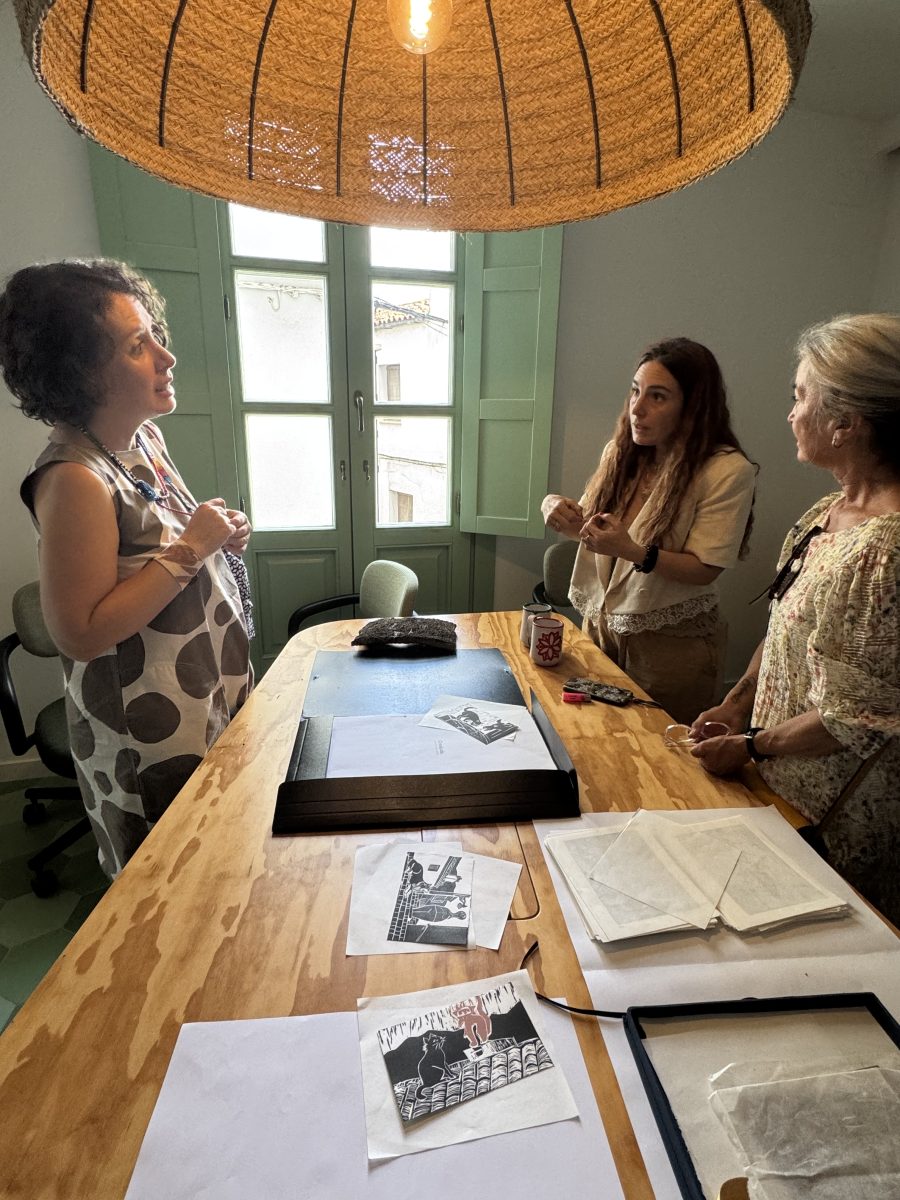
The team of the Genalguacil Pueblo Museum, representatives of the Delegation of Málaga District, partners of the PACESETTER Project including a PhD candidate from the University of Norway, representatives of the Fundación Campocerrado, and leaders of neighbouring communities. We also had the privilege of visiting the studios of local artists:
- Arturo Comas
- Francisco Rubio Mateos
- Marie Isabelle Poirier Troyan
- Yolanda Relinque
- Marta de Pablos
Each encounter brought its own depth. The generosity with which everyone shared their time, their thinking, and their spaces made the exchange truly reciprocal.
What We Shared
OUR WORK WITH ARTIST-PARENTS
A central part of our contribution was presenting ORAP — our Online Residency for Parent-Artists — and the research behind it. The conversations that followed were immediate and alive. The people we met in Genalguacil understood instinctively what we were talking about, because care is already at the heart of everything they do.
EXPANDING ACCESSIBILITY
We also brought our thinking around accessibility more broadly: not only for artists with caregiving responsibilities, but also for artists with limited mobility. This opened up an important conversation about how creative hubs – Institutions- initiatives – can design structures that genuinely include, rather than passively accommodate.
BRAINSTORMING AND COLLABORATIVE SESSIONS
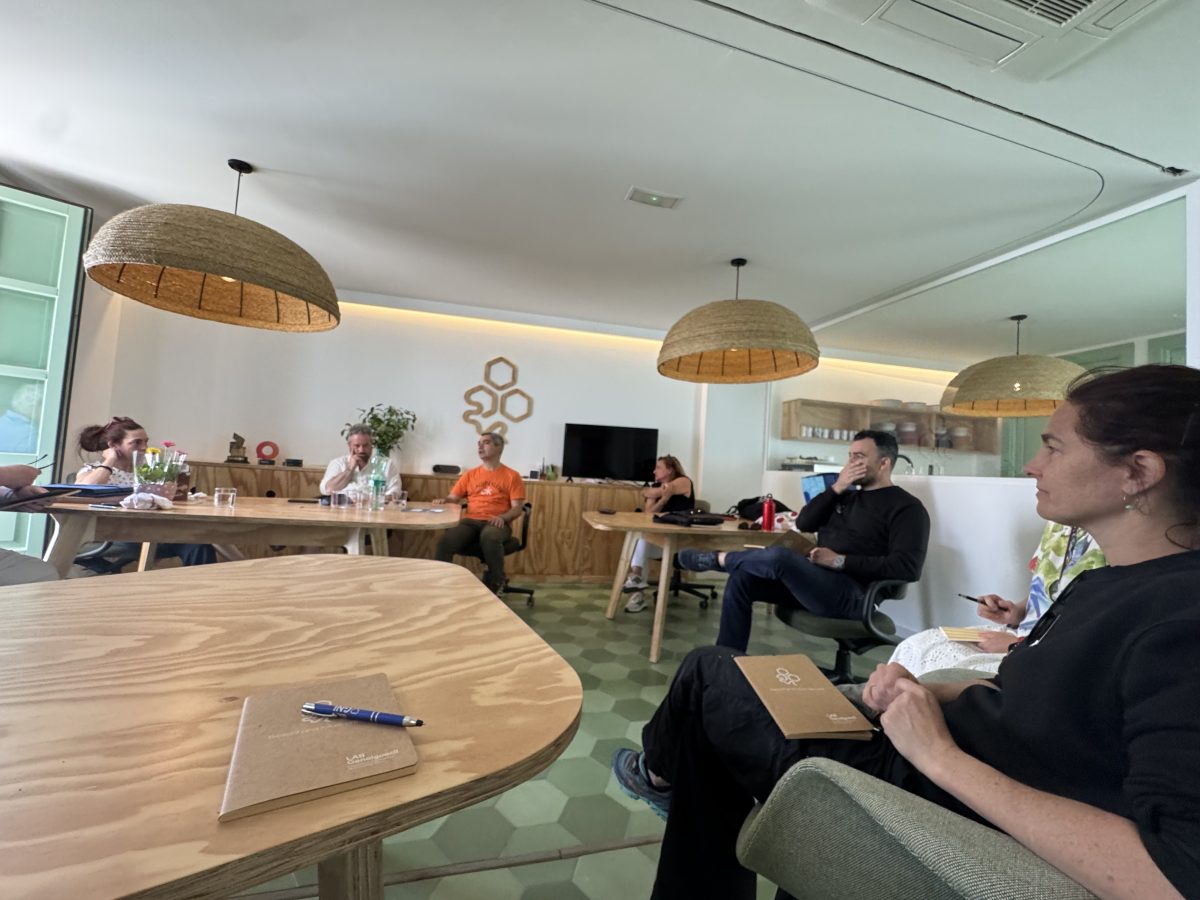
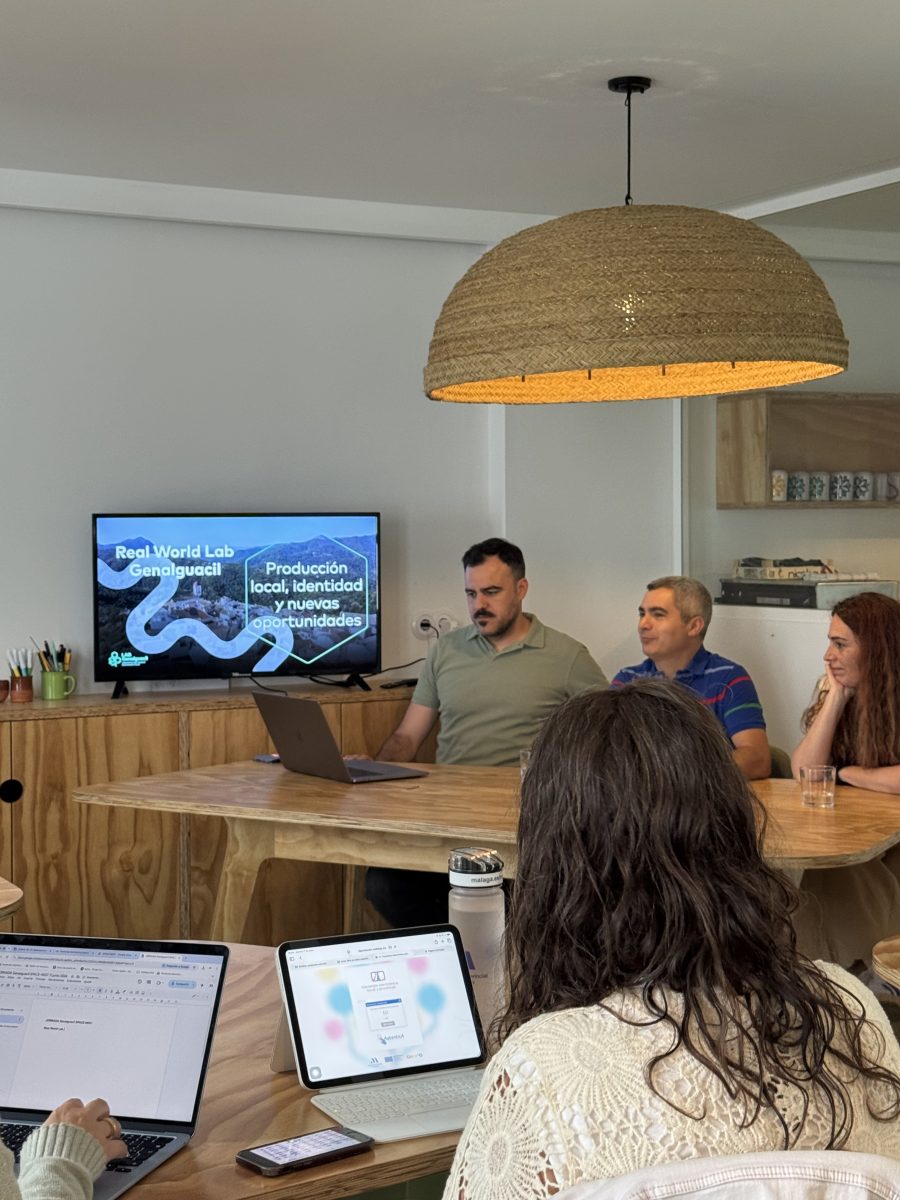
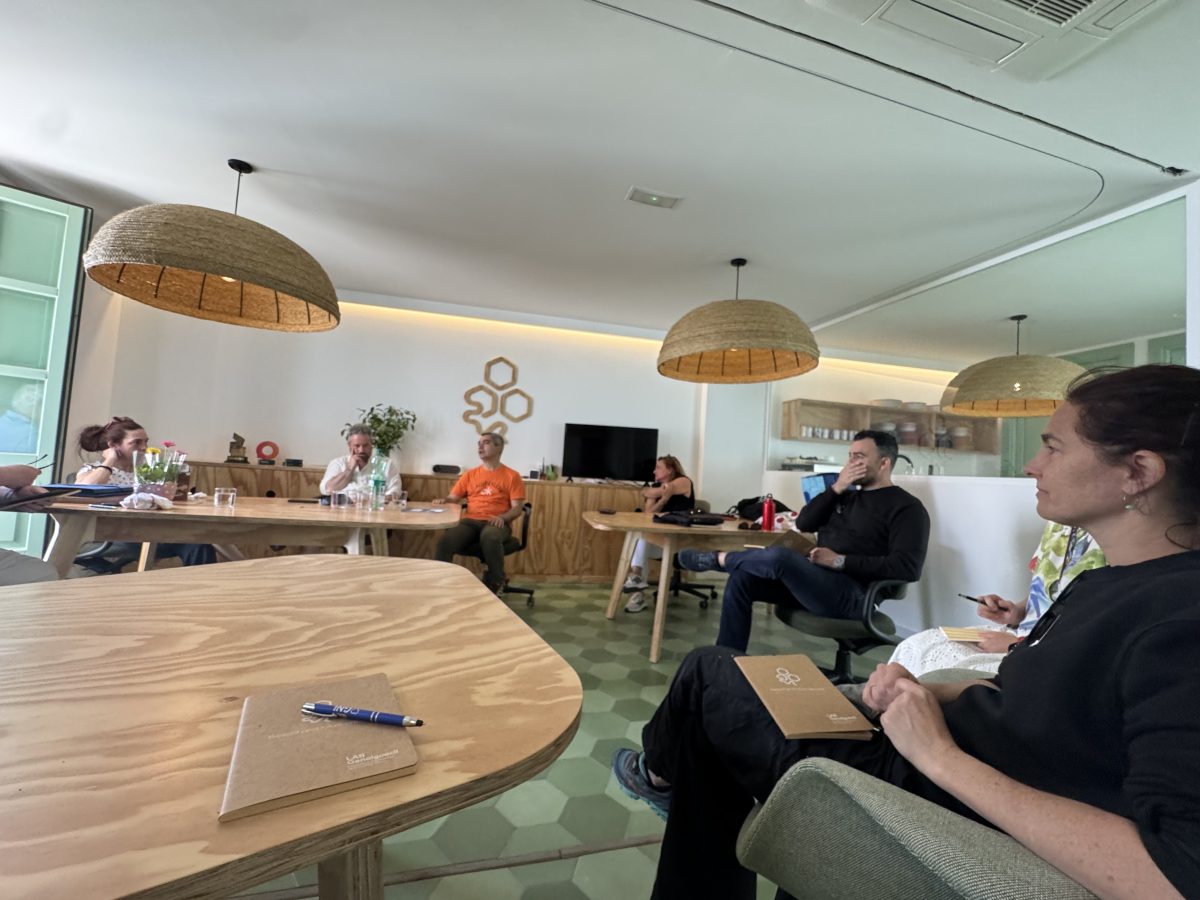
We actively participated in several brainstorm sessions and meetings throughout the week, including a full-day discussion on entrepreneurship and the creative economy as part of the CREALAB Project. We were also invited to provide feedback on a methodology being tested by a PhD candidate from the University of Norway as part of the PACESETTER Project — a contribution we were very glad to make. Amazed by the result
PROJECTS FROM OUR CONTEXT
We shared care-centred and community-driven projects from our own work and network such as the Online Residency for Artist-Parents and the Care to Care Summer Training, including the Very Contemporary project. These exchanges helped build a mutual understanding of what it looks like, in practice, to place people and their realities at the centre of cultural programming. Served as a good case studies to develop their own projects.
What We Learned
THE MUSEUM AS A LIVING ECOSYSTEM
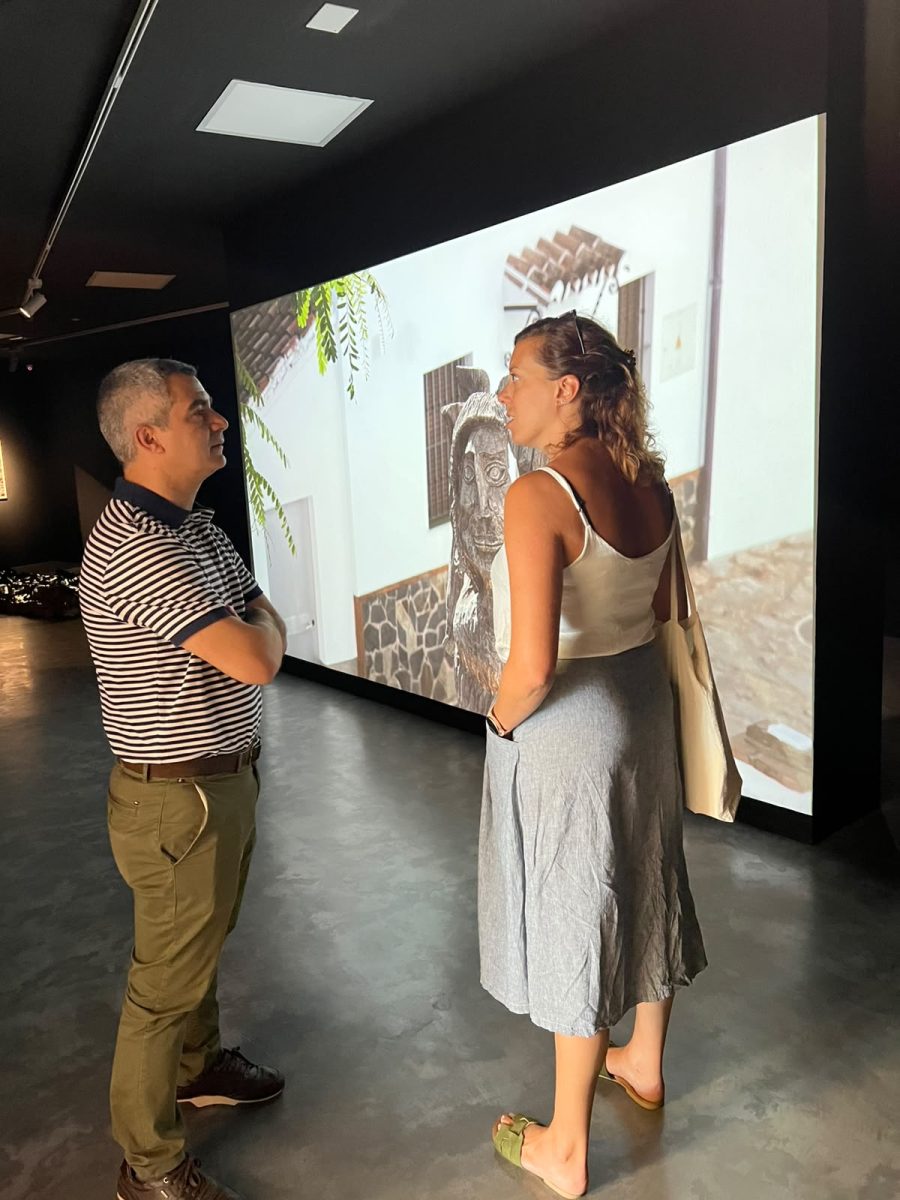
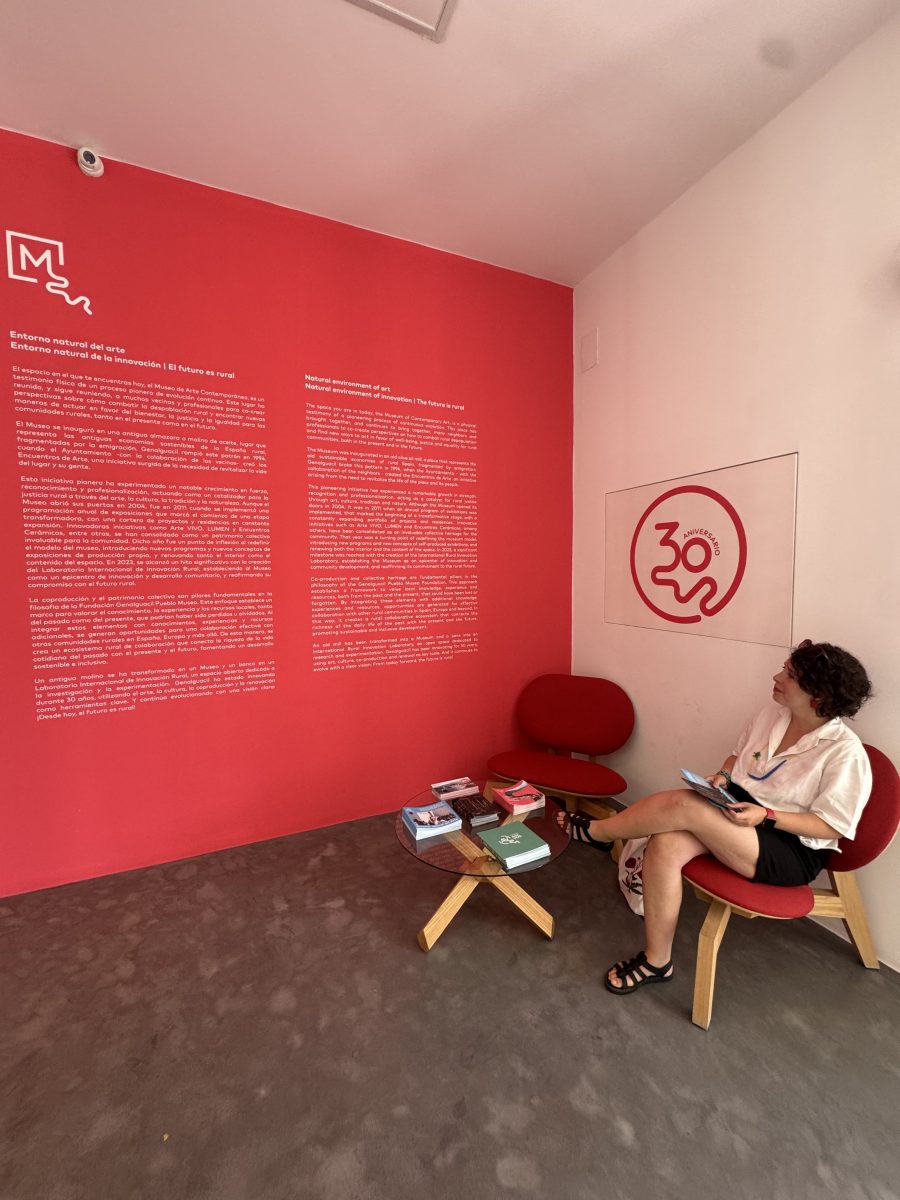
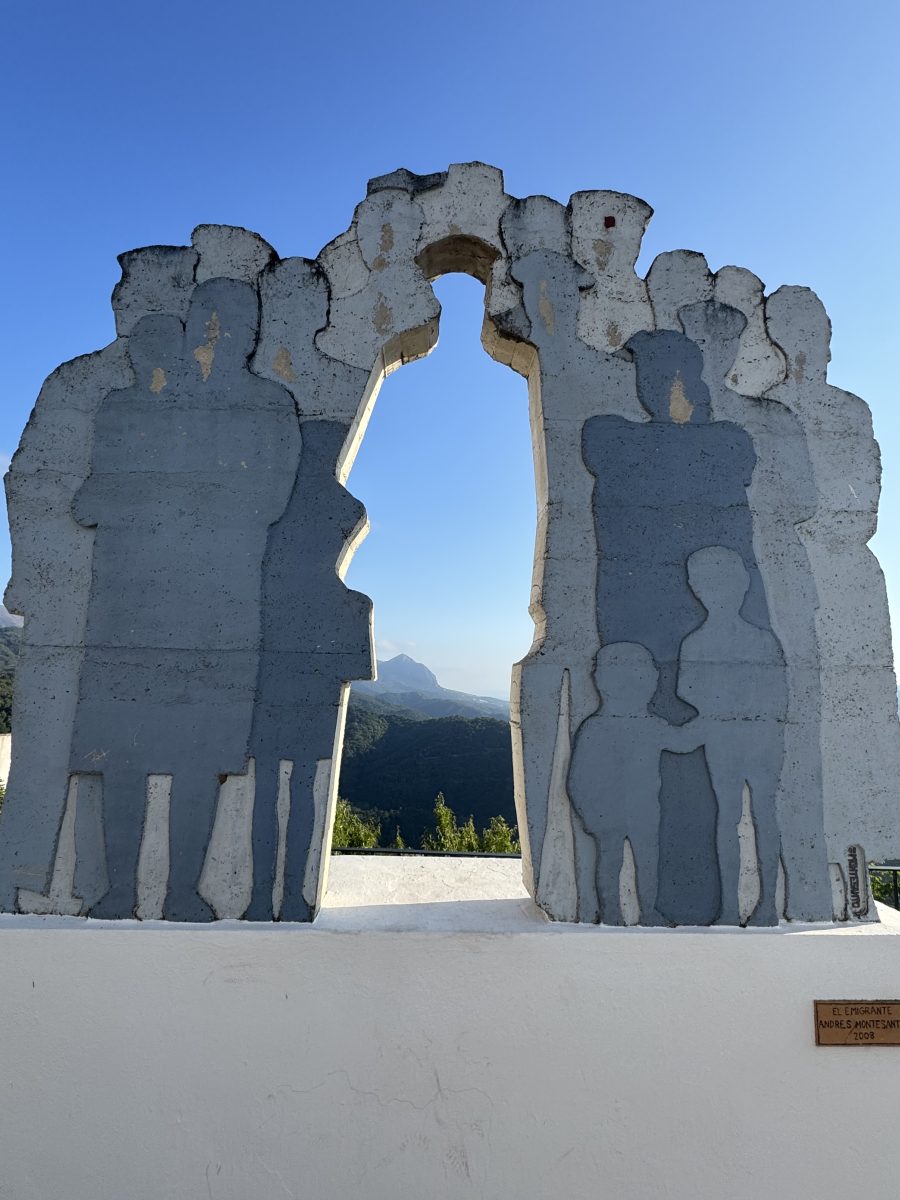
Visiting the Genalguacil Contemporary Museum was one of the true highlights of our week. It is not simply an exhibition space — it is a place where artworks are commissioned, produced, and cared for over time. Every artist invited to participate is asked to reflect on the environment, history, and lived experience of the community. The results are deeply rooted, and you feel that the moment you walk in.
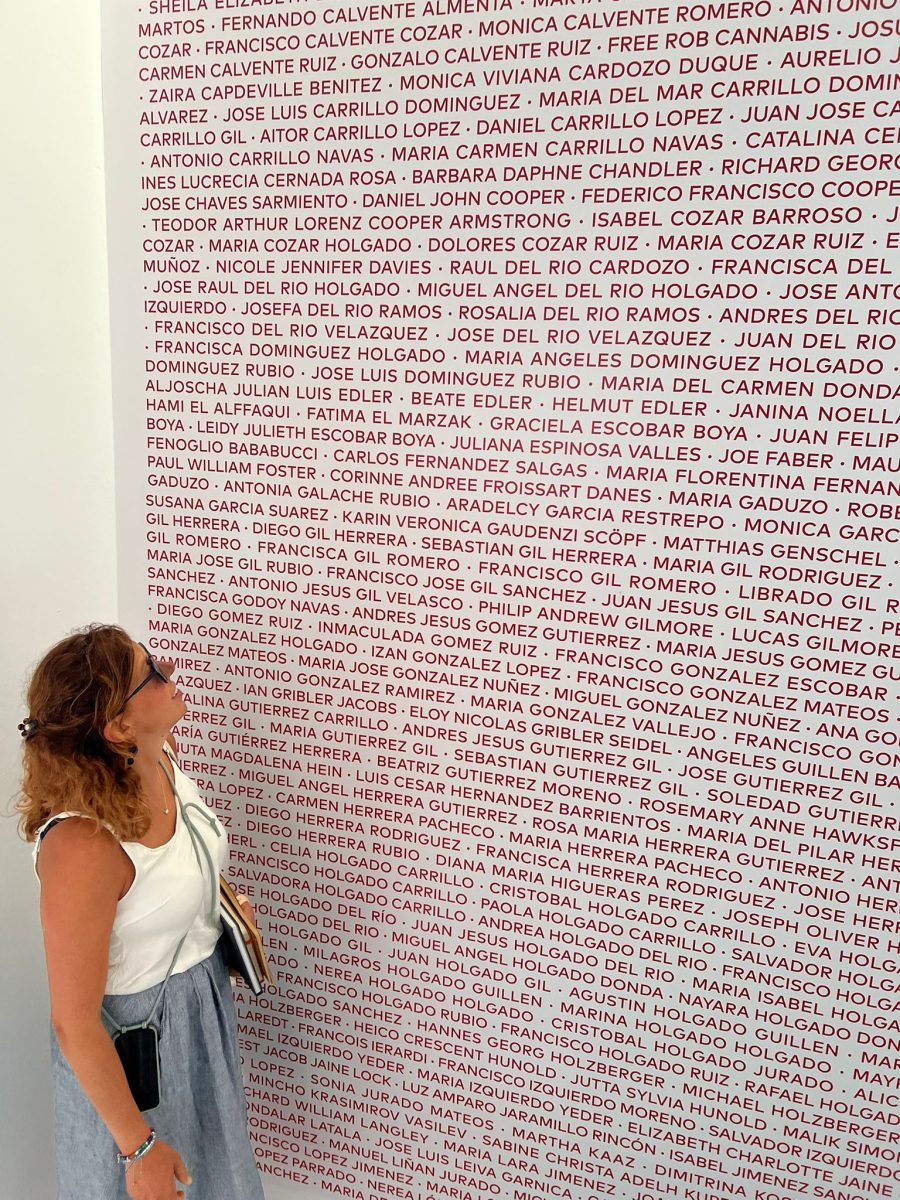
What moved us most was learning how the museum is building its own local team: people from the village who are trained to care for and restore the artworks. This is a conscious and generous act of transferring knowledge from the city to the village — and it is documented publicly through a podcast, so the process itself becomes part of the cultural offer. Moreover, each person is seen as a source of knowledge. Everyone is contributing to their own term, and this collective act of care, is also seen in the museum, where all the inhabitants names are listed on the museum walls. A way to reinforce the collective identity of the institution and connecting the institutions to the local community, building up a collective feeling of belonging.
ART, CULTURE, NATURE, TRADITION, AND INNOVATION
Attending the presentations and discussions across the week gave us a clear picture of the values that underpin every project in Genalguacil: Art, Culture, Nature, Tradition — all held together by a commitment to Innovation. What struck us is that these are not competing priorities. They are complementary. And the way they are woven together here is something genuinely rare.
CARE AS A STRUCTURAL PRINCIPLE
Perhaps the most important thing we are bringing home from Genalguacil is this: what they have built there is proof that when an entire ecosystem is shaped around care — for people, for place, for practice — the whole community benefits. It is not a utopia. It is a choice, made consistently, over time. And seeing it in action was deeply affirming of the direction we are pursuing in our own work.
When the whole ecosystem is working, the whole community benefits. Genalguacil is proof of that.
What Comes Next
This exchange has opened a door that we fully intend to walk through. We are leaving Genalguacil not just with inspiration, but with real plans: continued dialogue on care-centred programming and inclusive residency models, and the possibility of featuring local Genalguacil artists in future exhibitions in Munich and Maastricht.
“Until you come here, you will not understand it.”— MIGUEL, GENALGUACIL PUEBLO MUSEUM
He was right. And now we do. We are grateful to the entire team of the Genalguacil Pueblo Museum, to all the partners and artists who welcomed us so warmly, and to the European Creative Hub Network for making this exchange possible.
This is exactly the kind of encounter that reminds us why this work matters.